
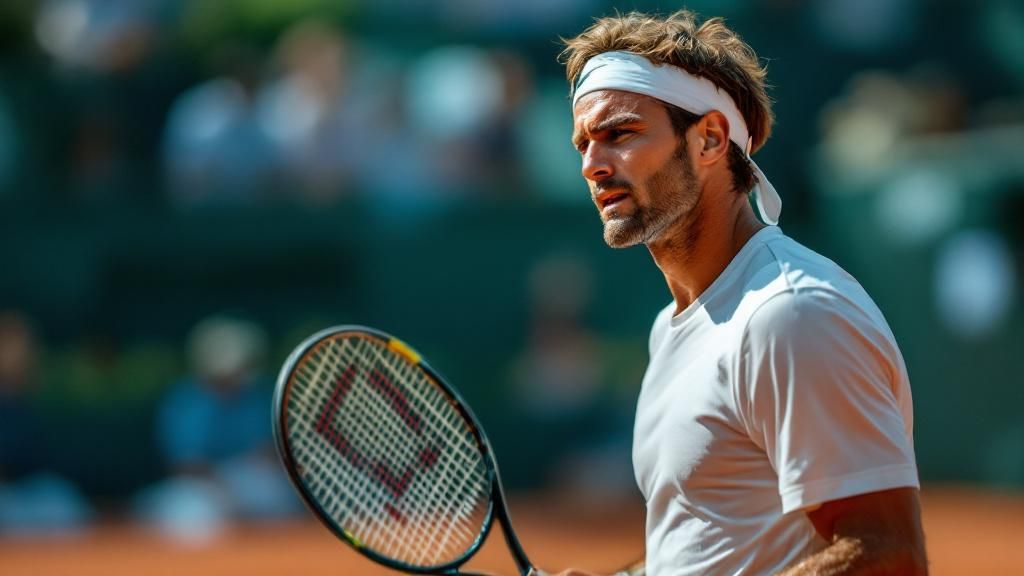
Emma Raducanu has pulled out of the upcoming Linz Open in Austria as she continues her recuperation following a viral illness that has affected her clay court schedule. The British number one, presently sitting 28th in the world, has chosen to focus on her wellbeing over tournament play at the WTA 500 event event. Raducanu, 23, started showing symptoms during February’s Middle East hard-court swing and subsequently missed the Miami Open, though she did compete at Indian Wells last month. Her team confirmed the pullout on Wednesday, with the competitor keen to fully recover before resuming competitive action on clay courts.
Recovery Is Prioritised Above Competition
Raducanu’s decision to skip Linz demonstrates a sensible strategy to managing her health during what has turned out to be another challenging season. The 23-year-old’s illness, which first manifested during the Middle East swing in February, has overshadowed her start-of-season performance. By stepping back at this stage, she is seeking to prevent the pattern of playing through illness, which could conceivably extend her recovery period. Her team’s willingness to forgo ranking points and competitive opportunities suggests confidence that a adequate rest will produce superior outcomes in the long run than continuing to play while unwell.
This latest setback underscores the persistent fragility of Raducanu’s career trajectory since her stunning US Open victory in 2021. Despite encouraging progress last season—when she finished a full 50-match schedule for the first time—physical disruptions keep hindering her development. The first quarter of 2026 have exemplified this pattern: promising moments, including a run to the Transylvania Open final, interspersed with defeats and now physical issues. Raducanu will now target the Madrid Open, the first WTA 1000 tournament of the clay court season, as her return point, with the French Open in May serving as a longer-term goal.
- Illness commenced during February Middle East hard court tournaments
- Won seven of 14 victories throughout 6 tournaments this campaign
- Made Transylvania Open final before illness halted form
- Hopes to come back for Madrid Open in May
A Period Characterised by Challenges and Doubt
The 2026 season has epitomised the erratic nature that has shaped Raducanu’s career since her Grand Slam victory as a teenager. With just seven victories from fourteen matches across six tournaments, the British number one has found it difficult to establish the sustained form needed to mount a serious challenge on the professional circuit. The viral infection that occurred in February’s Middle East swing represents merely the most recent of many of obstacles that have continually disrupted her progress. For a player sitting 28th in the rankings, these early-season disruptions carry particular significance, as points become increasingly difficult to accumulate without sustained tournament participation.
Raducanu’s circumstances demonstrates a broader pattern of frustration that has characterised her career since winning the US Open title as a qualifier in 2021. In spite of last year’s progress—completing fifty matches for the first time—she has struggled to build upon that base. The coaching change that took place in the early part of this year, alongside injury concerns and inconsistent form, has created an atmosphere of uncertainty surrounding her future outlook. Her representatives’ choice to focus on recuperation over competition suggests a recognition that short-term sacrifices could be required to establish the stability required for longer-term success on the professional tour.
Early Gains Followed by Setback
Raducanu did display moments of real potential during the initial stages of play. Her journey to the Transylvania Open final provided encouragement that she could sustain a competitive challenge at major events. That showing indicated her game possessed the quality necessary to take on the leading players. However, such glimpses of talent have been eclipsed by disappointing losses and the accumulating physical strain of competing whilst managing illness. The failure to convert occasional good performances into prolonged achievement continues to be her main hurdle.
The contrast between her capabilities and real performance has become ever more pronounced. Whilst other players have leveraged the early months to build ranking points and tournament experience, Raducanu has been forced to manage competing priorities between health and competition. Withdrawing from Miami post-Indian Wells constituted a sensible choice, yet it further interrupted her clay-surface readiness. With the French Open drawing near at the end of May, time has become a scarce asset in her effort to build consistency on the terrain on which she could credibly contend for titles.
The Extended Scope of Health-Related Difficulties
Raducanu’s most recent disappointment constitutes simply the most recent instalment in a troubling pattern that has plagued her career since her extraordinary US Open triumph in 2021. The viral illness that has forced her retirement from the Linz Open is symptomatic of a broader vulnerability that has repeatedly disrupted her tournament calendar. Since emerging onto the professional scene as a young qualifier, she has struggled to maintain the regularity needed to establish herself amongst the global elite. Injuries, physical issues and health problems have punctuated her path, preventing the sustained accumulation of ranking points and competitive experience that her competitors have achieved.
The occurrence of this illness proves especially ill-timed, arriving as Raducanu attempted to build momentum on the clay circuit. Her decision to withdraw from Austrian events, whilst sensible from a recovery perspective, further disrupts her season and compounds the challenge of establishing rhythm before the major championships. The pattern of missing tournaments—Indian Wells played, Miami skipped, now Linz withdrawn—creates a fragmented calendar that makes it increasingly difficult to develop the consistency and self-belief required for extended competition runs. Her representatives’ emphasis on placing recovery over competition shows clear-headed thinking, yet it also underscores the precarious balance she must navigate between ambition and physical necessity.
| Season | Key Achievement |
|---|---|
| 2021 | Won US Open as teenage qualifier |
| 2024 | Completed fifty matches for first time |
| 2025 | Reached Transylvania Open final |
| 2026 | Won seven of fourteen matches played |
- Viral illness began during February’s Middle Eastern hard-court tour
- Played at Indian Wells but withdrew from Miami tournament
- Plans to compete in Madrid Open in May
Eyes on Madrid and the Clay Court Circuit
Raducanu’s withdrawal from Linz represents a strategic bet on her recuperation schedule, with the Madrid Open now firmly in her sights as the destination for her first appearance on clay. The Spanish capital hosts the opening WTA 1000 event of the European clay season, offering a considerably more prestigious platform than the Austrian tournament she has foregone. By prioritising her health over immediate competitive action, Raducanu is banking on arriving in Madrid sufficiently recovered to deliver a significant performance on the surface that will shape her season. The decision reflects a sophisticated strategic mindset, recognising that early comeback could worsen her injury and derail her entire spring schedule.
The French Open stands prominent on the calendar, starting at the end of May and representing the primary goal of any clay-court preparation. Raducanu’s recent run to the Transylvania Open final demonstrated her capability on the red dirt, indicating that a adequate rest window could produce benefits in the coming weeks. However, the compressed schedule between now and Roland Garros offers little margin for error. Should her illness persist or recuperation turn out to be incomplete, she faces the prospect of arriving at the year’s second Grand Slam without adequate preparation or competitive play—a situation that has haunted her career in the past and contributed to the unpredictability that has disappointed both competitors and fans alike.
Planning Your Return Effectively
The interval between Linz and Madrid provides Raducanu with approximately three weeks to regain her physical condition and competitive sharpness. This opportunity constitutes a fine balance: ample time for proper recovery without permitting fitness levels to deteriorate excessively through sustained absence from competition. Her team’s confidence in reaching Madrid suggests medical assessments indicate a trajectory towards full recovery within this window. Success at the Spanish city could provide vital momentum before the intense demands of the clay circuit, whilst inadequate recovery would require renewed assessment of her fixture list and major championship preparations.
